Top 10 Marine Transformers Buyers Guide for Global Procurement
In the dynamic world of marine technology, the role of the Marine Transformer is crucial. According to Dr. Emily Chen, a respected expert in marine engineering, "The efficiency of the Marine Transformer directly impacts the performance of entire marine systems." Her insights highlight the importance of reliable sourcing for these essential components.
This guide explores the top 10 Marine Transformer buyers. It evaluates their capabilities, reliability, and innovation. The choices a procurement team makes today can define operational efficiency for years to come. However, the selection process is not straightforward. Various factors can complicate decisions. Price, specifications, and manufacturer reputation must all be carefully weighed.
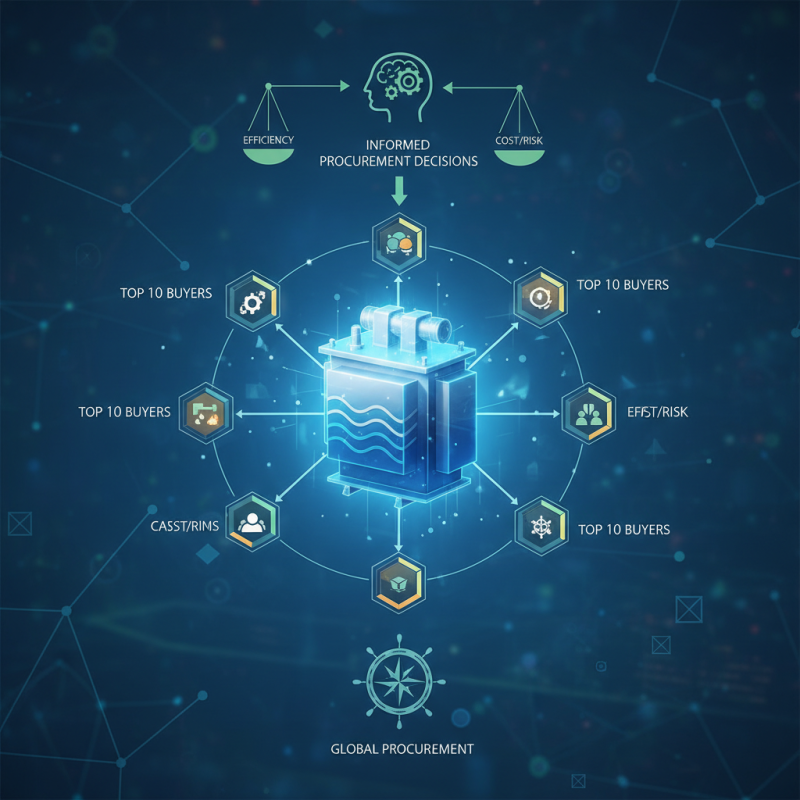
Each Marine Transformer buyer offers unique benefits and drawbacks. Some lead in technology, while others excel in customer service. Identifying the right partner requires a deep understanding of the market and technical specifications. The stakes are high, and a poor choice can mean costly setbacks. This guide endeavors to clarify these complexities and provide actionable insights for informed procurement decisions.
Understanding Marine Transformers: Definition and Applications
Marine transformers are crucial components in various marine applications. They facilitate the safe distribution of electrical power on ships and offshore platforms. These devices convert voltage levels to ensure compatibility with onboard systems. Understanding their definition and functions is essential for efficient marine operations.
Different types of marine transformers exist. Step-down transformers reduce high voltage to lower levels, suitable for equipment. Isolation transformers provide safety by separating circuits. These devices find applications in navigation systems, communication tools, and power systems on vessels. Their role is vital, yet they often receive less attention in procurement discussions.
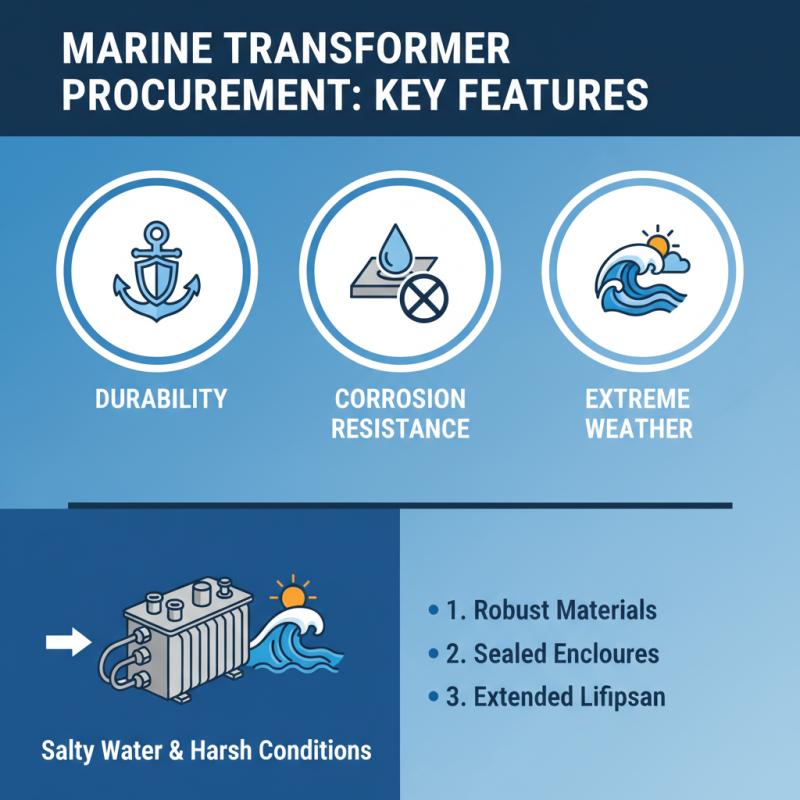
Some users may overlook specifics when selecting transformers. Not all transformers meet the unique demands of marine environments. Factors like corrosion resistance and temperature variations are essential. It’s important to evaluate each option carefully. This consideration can prevent costly mistakes later on. Buyers should seek detailed specifications and installation guidelines during procurement. Understanding these nuances can enhance the reliability of marine operations.
Top 10 Marine Transformers Buyers Guide for Global Procurement
| Model Number |
Power Rating (kVA) |
Voltage Rating (V) |
Frequency (Hz) |
Cooling Type |
Key Applications |
| MT-500 |
500 |
400 |
50 |
Dry-type |
Offshore platforms |
| MT-750 |
750 |
690 |
60 |
Oil-immersed |
Marine vessels |
| MT-1000 |
1000 |
480 |
50 |
Dry-type |
Aquaculture |
| MT-1250 |
1250 |
660 |
60 |
Oil-immersed |
Cargo ships |
| MT-1500 |
1500 |
400 |
50 |
Dry-type |
Research vessels |
Top Manufacturers and Brands of Marine Transformers Worldwide
Marine transformers play a critical role in ensuring the efficient operation of vessels and offshore platforms. These essential components convert electrical voltage and allow for safe power distribution onboard. Buyers should prioritize manufacturers known for their reliability and innovation in marine applications.
Several top manufacturers dominate the marine transformers market. They are recognized for their commitment to quality and technology. These brands invest in research and development to enhance performance. However, not all products meet the rigorous standards required in harsh marine environments. It’s prudent to evaluate production capabilities and past projects when selecting a supplier.
While many companies excel, some still face challenges in consistency and durability. This creates a need for careful scrutiny during the procurement process. Customers should seek feedback and case studies on products. Expert opinions can help assess how well products perform under real-world conditions. This diligence is key to avoiding costly downtime and ensuring operational safety.
Comparative Analysis of Marine Transformers: Price vs. Performance
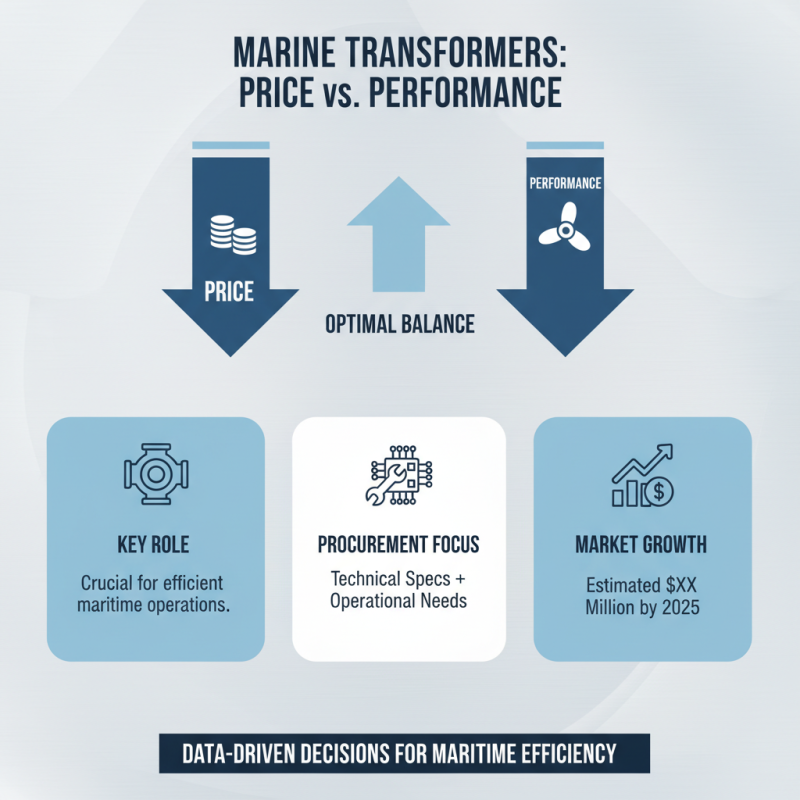
Marine transformers play a crucial role in the efficiency of maritime operations. A comparative analysis highlights the balance between price and performance. It’s key to analyze procurement decisions based on technical specifications and operational needs. The global marine transformer market is expected to reach $XX million by 2025, reflecting an increasing demand for optimized electrical solutions in marine applications.
When selecting a marine transformer, various factors come into play. Efficiency ratings are vital; transformers with an efficiency above 95% tend to offer better performance over time. However, often, higher efficiency comes at a higher cost. Smaller operators might lean towards budget-friendly options but could face challenges in reliability. Reports show performance discrepancies, where cheaper models fail to meet power demands in peak conditions.
Reflecting on industry trends, the growing emphasis on eco-friendly solutions should not be overlooked. Marine transformers with powerful insulation systems can significantly impact operational longevity. However, they often represent a higher upfront investment. The decision-making process can be complex, requiring a delicate balance between immediate budget constraints and long-term operational performance. Ultimately, the choice is not just about purchasing a transformer; it’s about aligning with strategic operational goals.
Best Practices for Selecting and Maintaining Marine Transformers
When selecting marine transformers, knowing key factors is crucial. Start by considering the transformer's voltage and power ratings. These specifications should align with your vessel’s electrical system. An incorrectly sized transformer can lead to operational inefficiencies.
Regular maintenance practices are also essential. Check for signs of wear and tear. Even minor damage can escalate quickly in marine environments. Ensuring clean connections and inspecting insulation can prolong the lifespan of your transformer. It is vital to schedule routine inspections to catch potential issues early.
Lastly, engage with experts in the marine electrical field. Their insights can guide you in making informed decisions. However, remember that no supplier's recommendations are flawless. Always verify and cross-check information to ensure reliability. This vigilance helps avoid costly mistakes and ensures optimal performance for your marine systems.
Marine Transformers Market Analysis

 Three-Phase Isolation Transformer
 Control Transformer
 Medical IT Isolated Power System
 Marine Transformer
 Tunnel Transformer
 High Current Transformer
 Automatic Voltage Regulator
 Oil Immersed Voltage Regulator