2026 How to Understand the Phase Of Transformer in Power Systems?
Understanding the phase of transformers is crucial in power systems. In the words of Dr. Angela Moore, a leading expert in electrical engineering, "The phase of a transformer dictates its performance and integration into the grid." This statement highlights the importance of grasping this concept for engineers and technicians alike.
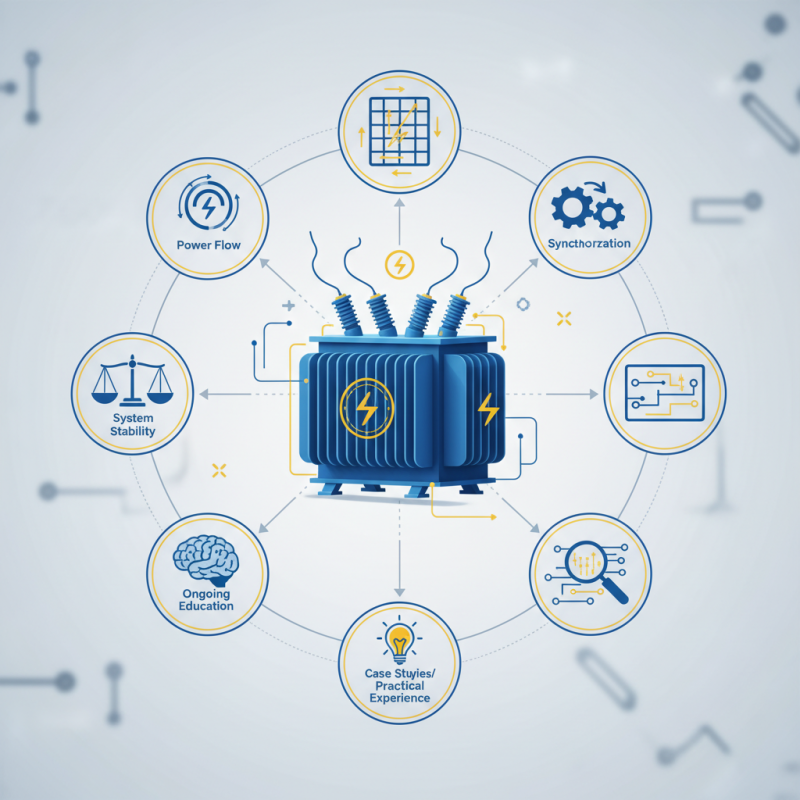
The phase of a transformer affects power flow and system stability. Each transformer operates with a specific phase relation, which influences how it interacts with other devices in the network. Misunderstandings can lead to inefficiencies or failures. For instance, failing to synchronize phases can cause equipment damage.
Professionals in the field must stay informed about the latest advancements regarding the phase of transformers. Ongoing education is vital. Engineers need to question their assumptions about phase relationships. Reflecting on practical experiences allows for improved decision-making in complex scenarios. Engaging with case studies can provide valuable insights into common pitfalls. Understanding these nuances can lead to better outcomes in the integration of transformers within power systems.
Understanding the Basic Concepts of Transformer Phases
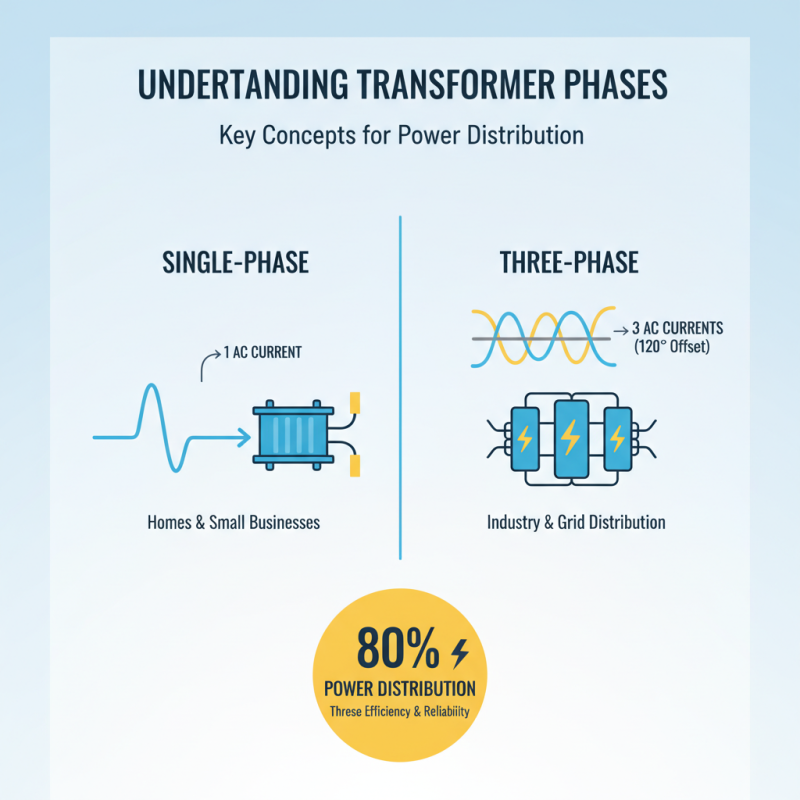
Understanding the phases of transformers in power systems is crucial for efficient energy distribution. Transformers usually operate in either single-phase or three-phase configurations. The basic difference lies in how the voltage and current waveforms align over time. A single-phase transformer uses one alternating current, while a three-phase transformer uses three separate currents, offset by 120 degrees. According to industry reports, about 80% of power distribution systems are based on three-phase transformers due to their efficiency and reliability.
The phase relationship impacts load balancing. In three-phase systems, loads can be evenly distributed across phases. This distribution lowers the risk of overloading and heat generation in any single transformer. Data suggests that unbalanced loads can lead to a 30% reduction in lifespan for transformers. Understanding these nuances helps engineers optimize transformer selection and deployment, ensuring the longevity and reliability of the entire power system.
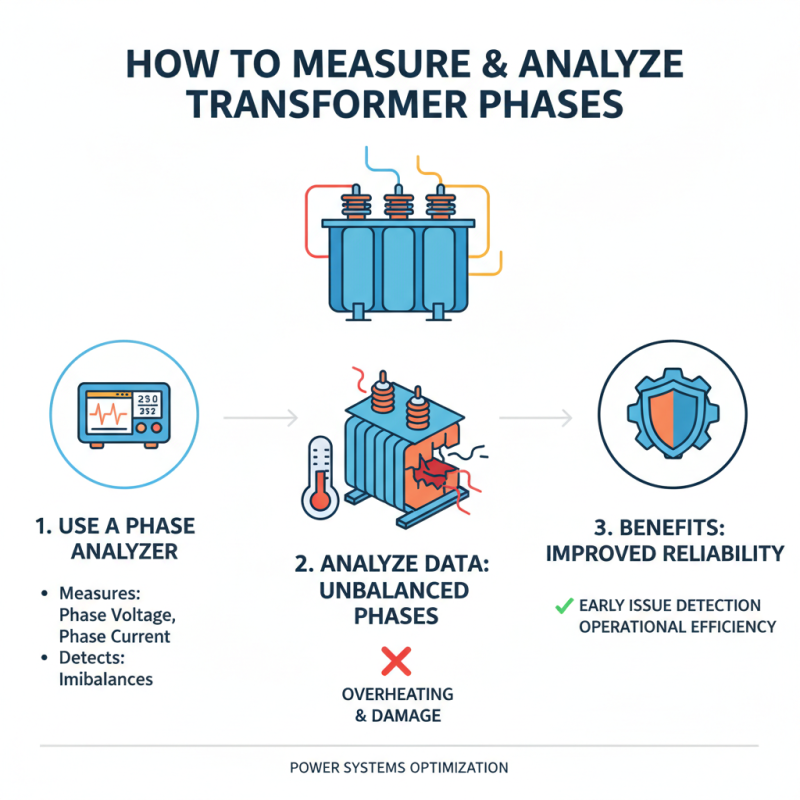
Operators should also be aware of potential phase imbalance issues. Regular monitoring is necessary to detect discrepancies that could lead to inefficiencies. Reports indicate that phase imbalance can cause significant energy losses. Balancing three-phase systems may require complex calculations and strategies. The need for regular training on these topics can't be overstated. Engaging in continuous education fosters a deeper understanding of these fundamental concepts.
Types of Transformer Phases in Power Systems
Transformers play a crucial role in power systems. Understanding their phases is essential for efficient operation. There are primarily three types of transformer phases: single-phase, two-phase, and three-phase. Each type serves specific needs in power transmission and distribution.
Single-phase transformers are commonly used in residential settings. They are simple and cost-effective. However, they lack efficiency for larger loads. Two-phase transformers are less common but can handle higher loads than single-phase types. They are often found in specific industrial applications.
Three-phase transformers are the backbone of electrical grids. They provide a balanced load and reduce losses. This phase type is ideal for large-scale power distribution. It allows for efficient transmission over long distances. Despite their advantages, three-phase transformers can become complex in design and maintenance. Understanding these nuances is vital for anyone working in power systems.
Importance of Phase Configuration in Electrical Systems
Understanding the phase configuration in electrical systems is crucial for optimal performance. Phase configuration impacts voltage regulation and transformer efficiency. According to the IEEE, a 5% improvement in voltage regulation can lead to a 15% increase in transformer efficiency. This statistic highlights just how significant correct phase alignment is.
The phase of a transformer determines how power is distributed within a system. Misalignment can cause issues like voltage imbalances. These imbalances may lead to equipment overheating. A study by the National Renewable Energy Laboratory revealed that phase misconfiguration can increase losses by up to 10% in large power systems. Regular monitoring of phase relationships helps to mitigate these risks.
Tips: Regularly check phase angles with advanced monitoring tools. Opt for thermal cameras to identify overheating transformers. A better understanding of phase characteristics allows for proactive maintenance, reducing unexpected downtimes.
Misconfiguration may seem minor but leads to substantial losses. Proper documentation and training on phase relationships can enhance system integrity. Understanding each component’s role in the phase configuration is vital for system reliability. It is essential to reflect on existing practices and identify areas for improvement.
Understanding the Phase of Transformer in Power Systems
This chart illustrates the relationship between different phase configurations in transformers and their efficiency in power systems.
Common Issues Related to Transformer Phase Differences
Understanding transformer phase differences is crucial in power systems. Phase differences can lead to several issues. These include reduced efficiency and potential equipment damage. Analyzing the phase relationship helps in avoiding these pitfalls.
When two transformers operate together, they should have compatible phase relationships. Mismatched phases can create circulating currents, leading to overheating. This scenario can affect transformer lifespan. It's vital to check phase angles during installation and maintenance.
Tips: Always measure phase angle differences during load changes. This helps avoid unexpected issues. Regular inspections can reveal potential phase discrepancies. Addressing them early can save time and money. Consider using phase-shifting transformers in complex grids. They can mitigate harmful phase issues effectively.

 Three-Phase Isolation Transformer
 Control Transformer
 Medical IT Isolated Power System
 Marine Transformer
 Tunnel Transformer
 High Current Transformer
 Automatic Voltage Regulator
 Oil Immersed Voltage Regulator