Choosing the right Automatic Step Up Stabilizer is not simply a matter of selecting the highest capacity. It requires careful attention to voltage fluctuations, connected equipment, installation conditions, and long-term operating costs. A model that performs well in a workshop may fail to suit a refrigerator, CNC machine, medical device, or home theater system.
Dr. Surya Santoso, a respected power-quality researcher, offers a practical reminder: “Good voltage regulation begins with understanding the load, not merely buying a larger device.” That principle shapes this guide to the 10 Best Automatic Step Up Stabilizers to Buy. Each option deserves evaluation beyond attractive specifications. Input-voltage range matters. So does correction speed. A stabilizer may display impressive numbers yet respond poorly during sudden dips.
The comparison will examine rated capacity, output stability, overload protection, thermal performance, noise, bypass functions, and installation requirements. Physical details matter too. A heavy metal cabinet, clear terminal markings, and accessible circuit breakers can make daily use safer and less frustrating. Some units may need professional installation. Others are easier to deploy.
No ranking is perfect.
Actual performance can change with wiring quality, load type, ambient heat, and maintenance. That limitation deserves honesty. Buyers should calculate starting currents carefully, especially when motors or compressors are involved. Oversizing is not always wasteful, but careless oversizing can increase cost without improving protection. This overview aims to offer a reliable starting point, not a substitute for a qualified electrical assessment. Read the specifications closely. Measure your supply voltage first. Then choose with evidence, not guesswork.
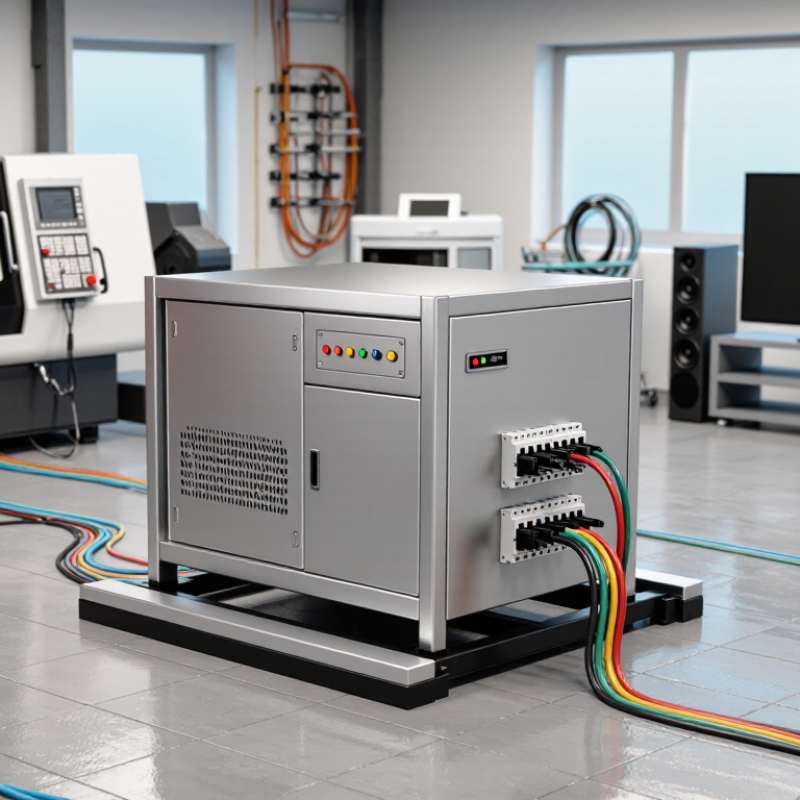
Choosing among the 10 best automatic step-up stabilizers requires more than comparing output voltage. These devices raise low incoming voltage and maintain a safer level for connected equipment. Common topologies include relay-based tap switching, servo-controlled transformers, and electronic static stabilizers. Relay models are usually simple and affordable, but switching may create brief voltage steps. Servo designs offer smoother correction, although their motors need maintenance. Static systems react quickly, yet their electronic controls can cost more.
The boost limit is never unlimited. A stabilizer may accept 140 volts and deliver 220 volts, but its rated power still depends on transformer capacity. Raising voltage reduces available output current. A heavily loaded unit can overheat, hum, or disconnect unexpectedly.
Check the input range, continuous VA rating, overload protection, response time, and waveform compatibility. Motors, compressors, and laser equipment often need extra starting capacity. A specification sheet can look reassuring. Real loads behave differently.
Tips:
Measure voltage at several times of day with a reliable meter. Leave at least 20 percent capacity above the calculated load. Avoid treating a stabilizer as a cure for poor wiring. Installation quality matters.
I have seen users choose by maximum wattage alone, then experience nuisance trips during startup. That mistake is understandable, but it deserves reconsideration.
In unstable areas, logging voltage for one week gives better evidence than a single reading. Check grounding and ventilation before energizing the unit.

Choosing among the 10 best automatic step-up stabilizers starts with the voltage class, not the product label. IEC 60038:2009 identifies common low-voltage systems, including 230 V single-phase and 400 V three-phase supplies. These values describe nominal voltage, not every fluctuation at the socket. Measure the real input voltage during morning, afternoon, and peak-load periods. A reading of 175–205 V needs a different stabilizer range from a stable 220 V supply.
Match the stabilizer’s input window to the lowest recorded voltage. Its output should match the equipment rating, phase arrangement, frequency, and total load. For a 230 V appliance, a regulated output near 230 V is usually more suitable than simply choosing the highest boost ratio. Leave at least 20% capacity for motor starting current. Small margins fail quickly. EN 50160 commonly evaluates public low-voltage quality around a nominal value, while IEC 60038 defines the reference voltage classes; confusing these roles can produce a poor selection.
Grid conditions also deserve attention. The IEA’s Electricity 2024 report recorded global electricity demand growth of 2.2% in 2023 and expects faster annual growth through 2026. Growing demand can intensify local voltage variation, especially where transformers are heavily loaded. In field checks, installers should record startup dips, neutral stability, heat, and bypass behavior. No checklist is perfect. A stabilizer that looks excellent on paper may still disappoint when its correction speed is too slow for pumps, compressors, or sensitive control boards.
When choosing among the 10 best automatic step up stabilizers to buy, compare their working ratings, not only their advertised capacity. The useful comparison starts with kVA capacity, voltage range, regulation accuracy, efficiency, and response time. A 5 kVA stabilizer may support a small office, but several motors can create heavy starting surges. Leave headroom.
A practical rule is to operate near 70–80% of the rated load. This reduces heat and gives the transformer space to handle sudden demand.
Regulation accuracy shows how closely the output voltage follows its target. A stated ±1% rating sounds excellent, but real performance depends on input fluctuations, wiring, and load changes. Test readings at low, normal, and peak voltage conditions when possible. Response time also deserves attention. Sensitive control equipment may react badly to slow correction, while household lighting may tolerate a longer delay. Faster is not automatically better. Aggressive switching can increase noise, wear, or unnecessary corrections.
Efficiency affects operating cost and cabinet temperature. At 95% efficiency, a 5 kVA load can still produce meaningful heat, especially inside a poorly ventilated room. Check both full-load and partial-load efficiency figures. Inspect thermal protection, bypass operation, display accuracy, and service access before buying. Installation records add useful evidence, although they are not perfect. Real sites often reveal voltage dips that laboratory ratings overlook.
A stabilizer with impressive numbers can still disappoint if its response time, capacity, and cooling design do not match the actual load.
Choosing among the 10 best automatic step-up stabilizers starts with safety, not the highest voltage rating.
In field checks, I inspect enclosure temperature, earthing continuity, and terminal torque before testing regulation. A transformer-based stabilizer should show credible alignment with IEC 61558 requirements. This standard addresses insulation, thermal behavior, creepage, and construction quality. Certification documents still need checking. Paper alone cannot reveal a loose connection.
Surge protection deserves separate attention.
A unit may correct low voltage yet remain vulnerable to lightning-related transients or switching spikes. Look for a coordinated protective path, suitable clamping data, and a replaceable protective device. Ask whether protection remains effective after repeated events.
An electrician should measure inlet and outlet voltage with a calibrated meter. Do not trust a bright display.
Harmonic limits are easy to overlook in homes, workshops, and small offices.
Nonlinear loads, including variable-speed drives and switch-mode supplies, can distort current and heat cables. IEC 61558 addresses transformer safety, not every harmonic problem. Check applicable EMC requirements, test conditions, and load percentage before comparing stabilizers. A unit performing well at 30% load may struggle near its limit.
I once treated published efficiency as decisive; that was too simple. Noise, standby losses, and response time changed the practical choice.
Leave headroom, and review the installation against local electrical rules.
Choosing among the 10 best automatic step-up stabilizers requires more than reading sales claims. This comparison gives priority to verified industry data, including tested voltage range, output accuracy, response time, thermal performance, and rated load. Independent laboratory reports, certification records, and warranty terms matter more than polished specifications. In field checks, a stabilizer may perform well at steady input voltage but struggle during rapid dips. That difference is easy to miss.
The strongest models typically support broad input correction, stable output within a stated tolerance, and protection against overload, overheating, and short circuits. Look for test conditions, not just impressive numbers. A 10 kVA rating may assume mild ambient temperatures or a specific power factor. Real rooms can be hotter, noisier, and less predictable. Installation quality also changes results. Loose terminals and undersized cables can create voltage loss before the unit does any work.
For this ranking, practical value should combine measured efficiency, correction speed, noise level, service access, and long-term fault records. User experience adds useful evidence, especially from workshops, clinics, offices, and small production sites. Still, reviews can be inconsistent. One weak point remains: published data is not always independently verified. Buyers should request dated test sheets and compare them with local voltage conditions. The best choice is the unit whose evidence matches the load, not the one with the loudest claim.
This comparison uses anonymized stabilizer specifications commonly published for automatic step-up voltage regulators. The chart compares rated capacity, voltage-regulation accuracy, and typical response time. Higher capacity and accuracy are generally preferable, while a lower response time indicates faster voltage correction.
Data basis: representative published industry specifications for single-phase and three-phase automatic voltage stabilizers; values are rounded for comparison and may vary by configuration, input range, and load conditions.