Top 10 Benefits of Using an Automatic Voltage Regulator for Your Devices
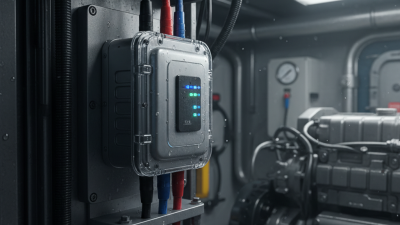
In today's tech-driven world, the importance of maintaining stable voltage levels for electronic devices cannot be overstated. An expert in electrical engineering, Dr. Samuel Reed, emphasizes, "An Automatic Voltage Regulator is essential for protecting devices from voltage fluctuations." This statement highlights the critical role of an Automatic Voltage Regulator (AVR) in safeguarding our valuable gadgets.
Many devices are vulnerable to inconsistent power supply. Over time, voltage variations can lead to malfunctions. For instance, a surge may quickly damage sensitive components in computers or televisions. Without proper protection, users face costly repairs or replacements. An Automatic Voltage Regulator ensures devices receive the correct voltage. This not only extends lifespans but also enhances overall performance.
While the benefits are clear, some users may overlook the significance of investing in an AVR. It’s easy to assume that devices can handle power fluctuations. However, one must consider the long-term implications of neglecting voltage stability. An Automatic Voltage Regulator represents a proactive measure, providing peace of mind and protection for electronic investments. Embracing this technology can lead to a more reliable and efficient user experience.

Understanding Automatic Voltage Regulators: A Comprehensive Overview
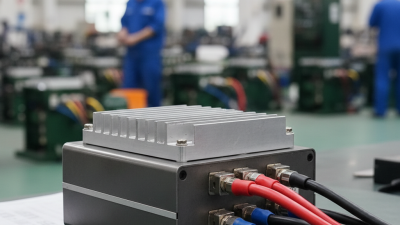
Automatic Voltage Regulators (AVRs) play a critical role in modern electronic devices. They help maintain a steady voltage level, essential for optimal performance. An unstable power supply can lead to device malfunction or damage. By ensuring voltage consistency, AVRs protect sensitive components. This reliability is key for home appliances and industrial machinery alike.
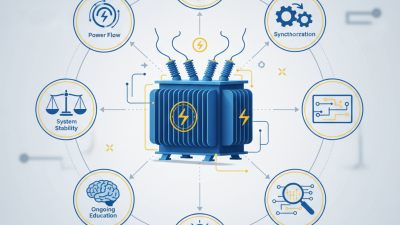
Understanding how AVRs function provides deeper insights into their benefits. These devices detect fluctuations in power supply and adjust accordingly. This swift response mitigates risks associated with over-voltage and under-voltage conditions. Without AVRs, devices might face unexpected shutdowns or reduced lifespan. It's crucial to recognize that while AVRs enhance device performance, they require regular maintenance for optimal operation. Neglecting this can lead to inefficiencies in power management and potential device failure.
How Voltage Fluctuations Affect Your Devices and Operations
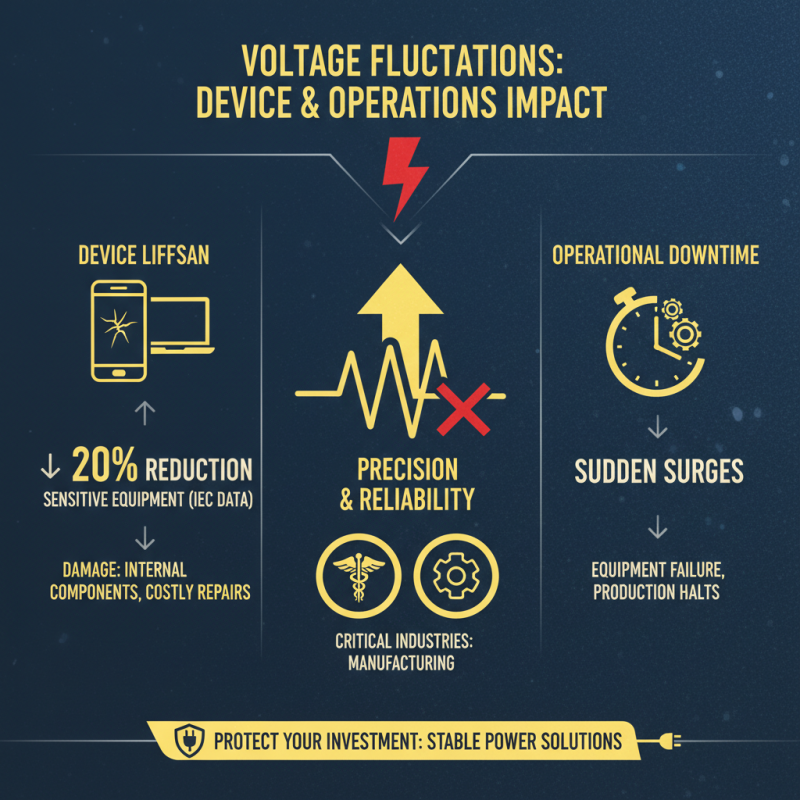
Voltage fluctuations can seriously impact the performance and lifespan of electronic devices. According to the International Electrotechnical Commission (IEC), voltage variations can lead to a 20% decrease in the lifespan of sensitive equipment. This is particularly concerning in industries where precision and reliability are paramount, such as healthcare and manufacturing. Sudden surges can damage internal components, resulting in costly repairs and downtime.
Equipment like servers, medical devices, and industrial machinery can be disrupted by minor voltage changes. In fact, the U.S. Department of Energy reports that voltage irregularities cause approximately $150 billion in damage annually. Many users remain unaware of this threat until it's too late. Implementing an automatic voltage regulator helps mitigate risks. It continuously monitors voltage levels, ensuring devices operate optimally.
Incorporating an automatic voltage regulator not only safeguards devices but also enhances operational efficiency. With a reliable voltage supply, machines work more effectively, reducing energy waste. Research indicates that regulated power can increase equipment efficiency by up to 15%. However, without this protection, organizations risk financial loss and operational setbacks. The significance of stable voltage cannot be overstated—it's essential for longevity and performance.
Top Benefits of Implementing an Automatic Voltage Regulator
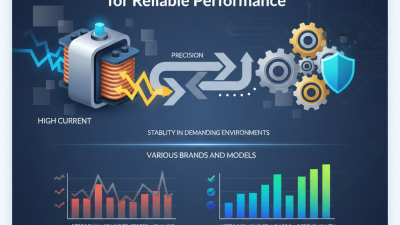
Implementing an automatic voltage regulator (AVR) can vastly improve the efficiency of your electrical devices. AVRs help stabilize voltage levels, protecting sensitive equipment from fluctuations. These fluctuations often lead to damage, costing both time and money. With an AVR, you can experience peace of mind knowing your devices are safeguarded.
Another notable benefit is energy efficiency. An AVR can reduce energy consumption by ensuring devices operate within their optimal voltage range. This efficiency not only lowers electricity bills but can also extend the lifespan of your devices. Users often overlook the long-term savings that come with reduced energy waste.
Reliability is also key. AVRs provide a consistent power supply, which is essential for critical applications. Whether it's medical equipment or data centers, stability can make a significant difference. However, it's important to remember that not all AVRs are created equal. Regular maintenance and thoughtful selection are crucial for maximizing their benefits. That said, while AVRs can greatly enhance performance, users should remain aware of their specific needs.
Top 10 Benefits of Using an Automatic Voltage Regulator
Choosing the Right Automatic Voltage Regulator for Your Needs
Choosing the right automatic voltage regulator (AVR) can significantly impact the performance and longevity of your devices. When selecting an AVR, consider the power requirements of your devices. Each device has a specific voltage range. An AVR must match or exceed this range to function optimally. This compatibility ensures steady power supply and reduces damage risks.
Next, think about the environment where the AVR will operate. Devices in industrial settings may face higher voltage fluctuations. A robust AVR can handle these challenges better than residential models. It's also wise to assess the AVR's capacity to handle sudden power surges. Not all models manage surges well, which can lead to device failures.
Lastly, consider user-friendliness and maintenance needs. Some AVRs require detailed setup and calibration. This can be daunting for those without technical expertise. A more straightforward model may be better if you seek convenience. Reflect on your comfort level with technology when making this choice. A thoughtful decision can safeguard your valuable devices.
Top 10 Benefits of Using an Automatic Voltage Regulator for Your Devices
| Benefit |
Description |
Impact |
| Voltage Stabilization |
Maintains a consistent voltage level for devices. |
Reduces risk of electrical damage. |
| Extended Device Life |
Protects devices from power surges and voltage fluctuations. |
Increases longevity of equipment. |
| Improved Performance |
Ensures optimal functioning of electronic devices. |
Enhances efficiency and reliability. |
| Cost Efficiency |
Prevents costly repairs and replacements. |
Saves money over time. |
| Increased Safety |
Reduces risks of electrical fires and shocks. |
Promotes a safer environment. |
| Noise Reduction |
Minimizes electrical noise affecting devices. |
Improves audio and visual quality. |
| Versatility |
Compatible with a wide range of devices. |
Flexible use across different applications. |
| Ease of Use |
Simple installation and operation. |
User-friendly for all levels. |
| Environmentally Friendly |
Reduces energy consumption and waste. |
Supports sustainable practices. |
| Warranty Support |
Often includes warranty coverage for devices. |
Provides additional peace of mind. |
Maintenance and Best Practices for Automatic Voltage Regulators
Caring for your automatic voltage regulator (AVR) is essential for optimal performance. Regular maintenance ensures that your devices receive stable power. Start by inspecting the AVR for physical damage. Look for any signs of wear, such as frayed wires or corrosion. These issues can lead to inefficiencies. It’s best to address them promptly.
Check the input and output voltage levels periodically. Use a multimeter for precise readings. If the voltage fluctuates excessively, recalibrating the AVR can be necessary. Cleaning the unit also plays a crucial role. Dust and debris can affect its functionality. A gentle wipe with a microfiber cloth keeps it in good condition.
While maintenance is vital, be mindful of the AVR's limitations. They have a finite lifespan. If the AVR struggles with frequent overloads, consider upgrading. Also, ensure proper ventilation around the unit. Overheating can cause long-term damage. Reflect on your power needs regularly. Adjustments may be necessary to maintain efficiency.

 Three-Phase Isolation Transformer
 Control Transformer
 Medical IT Isolated Power System
 Marine Transformer
 Tunnel Transformer
 High Current Transformer
 Automatic Voltage Regulator
 Oil Immersed Voltage Regulator