2026 How to Choose the Best Deep Sea Voltage Regulator for Your Needs?
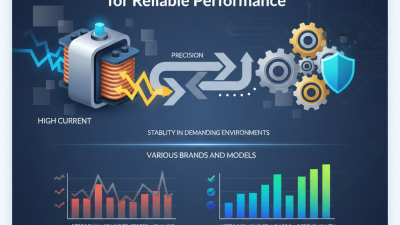
Choosing the right "Deep Sea Voltage Regulator" is crucial for enhancing power stability. These regulators play a vital role in marine applications, ensuring reliable performance in challenging environments. However, making the best choice can be complex.
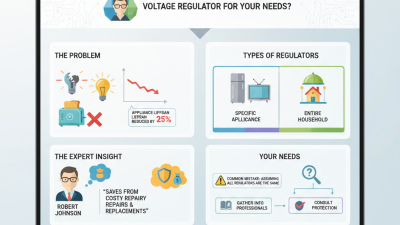
Various factors must be considered. Your specific needs will dictate the features you require. For instance, look for durability and efficiency. Understanding the load capacity is essential, as it affects performance. Brands vary significantly in quality and reliability. Some models may not deliver as expected, leading to frustrating experiences.
Balancing cost and performance is another challenge. Sometimes, cheaper options compromise quality. It’s crucial to prioritize dependability over savings. User reviews can provide insight into real-world performance. Yet, subjective experiences vary. Remaining informed and discerning is key to making the right decision.
Understanding Deep Sea Voltage Regulators and Their Applications
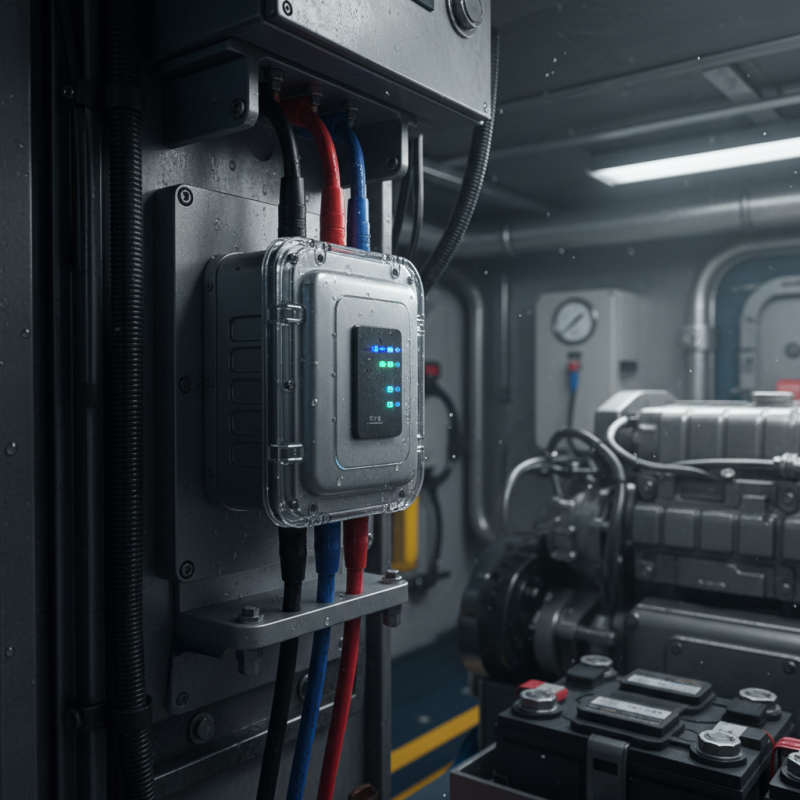
Deep sea voltage regulators play a crucial role in marine applications. Their primary function is to maintain steady voltage levels. This is essential for the smooth operation of various equipment on boats and submarines. A reliable regulator ensures that sensitive electronic devices receive the right amount of power. Without proper voltage regulation, equipment may suffer damage.
Different applications require specific features in a voltage regulator. For example, some units are designed for harsh environments. They must withstand saltwater corrosion and extreme temperatures. Others may need advanced monitoring capabilities. This allows operators to track performance in real time. It’s important to assess your particular needs before making a decision. Consider factors like size, power capacity, and durability.
Choosing the right voltage regulator involves understanding these applications. Researching industry standards can guide your selection. However, the vast range of products may cause confusion. It may not always be easy to identify the best fit. Learning from past experiences can also be beneficial. Engage with others in the marine community for insights. Their feedback can help you make a more informed choice.
Key Specifications to Consider When Selecting a Voltage Regulator
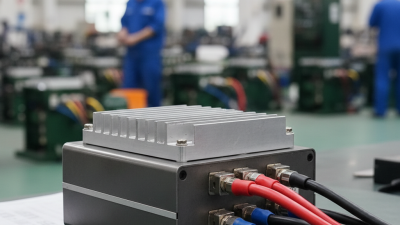
Choosing the right deep sea voltage regulator is crucial for optimal performance. When evaluating options, several key specifications come into play. The input voltage range is one of the most important factors. It determines the regulator's compatibility with your existing systems. A wider range offers flexibility, especially when dealing with fluctuating power sources.
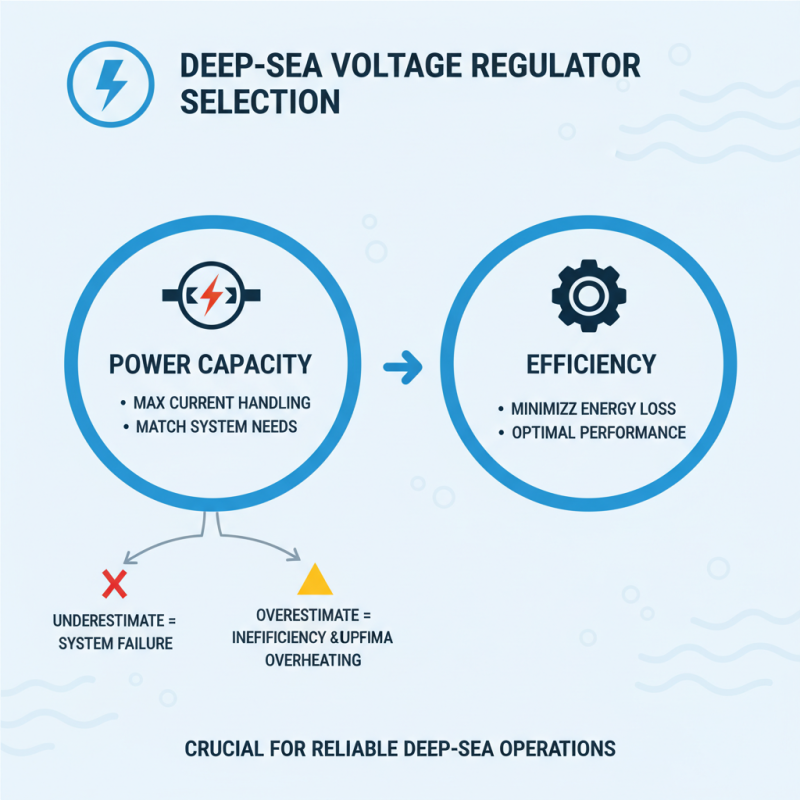
Another vital specification is the output rating. It's essential to ensure that the regulator can handle the load of your equipment. Evaluating the maximum output current helps prevent issues down the line. You should also consider thermal performance. A regulator that overheats can lead to failures, unsafe conditions, and increased maintenance costs.
Furthermore, efficiency is worth examining. Higher efficiency translates to less wasted energy. This factor significantly impacts operational costs over time. Reflect on the environment where the regulator will be used. Different environments may require additional protective features like waterproofing or corrosion resistance. Assessing these needs early prevents future complications and ensures reliability in critical situations.
2026 Deep Sea Voltage Regulator Specifications Overview
Comparing Brands and Models: Recommendations for Your Needs
Choosing the right deep-sea voltage regulator can be daunting. Many brands and models exist, each promising unique benefits. Users often face challenges in determining which product suits their specific needs. Understanding key features is crucial. Focus on aspects like stability, input range, and efficiency. This will narrow down your options.
Comparing models isn't just about specs. It requires a thoughtful analysis of user reviews and expert feedback. Remember, reliable products usually have established reputations. Look for those that undergo rigorous testing. Some models can be overly complicated, leading to user frustration. Simplicity often trumps complexity in real-life scenarios.
It’s easy to overlook minor details during this process. However, the manufacturer’s support and warranty are equally important. While performance matters, don't forget long-term reliability. Some regulators might work well initially but fail later. Aim for a balance between performance and peace of mind. Your choice today will impact your deep-sea adventures tomorrow.
Installation and Maintenance Tips for Deep Sea Voltage Regulators
When installing a deep sea voltage regulator, attention to detail is crucial. Ensure you choose an appropriate location that minimizes exposure to heat and moisture. Proper ventilation is key. Overheating can compromise the regulator's function. Likewise, securing all electrical connections properly prevents future complications. Loose connections can lead to inefficiency and potential damage.
Maintenance is equally important. Regular checks for dust buildup and corrosion will prolong the device's life. If you notice unusual sounds or fluctuations in output, investigate immediately. Not addressing small problems can escalate into larger issues. Remember, even minor adjustments can greatly enhance performance. It’s wise to consult the manual for specific maintenance intervals.
In the end, learning from experience will inform your approach. Stay vigilant and proactive with both the installation and upkeep of your deep sea voltage regulator. While challenges may sometimes arise, facing them head-on ensures a reliable source of power for your needs.

 Three-Phase Isolation Transformer
 Control Transformer
 Medical IT Isolated Power System
 Marine Transformer
 Tunnel Transformer
 High Current Transformer
 Automatic Voltage Regulator
 Oil Immersed Voltage Regulator